How Commercial Roof Inspections Save Nebraska Businesses Thousands
Andy Tidwell
Aug 03 2026 14:00
Commercial roof inspections help identify hidden problems long before they turn into expensive leaks, structural damage, or full roof replacements. In Nebraska—where hail, wind, heavy snow, and...
Commercial roof inspections help identify hidden problems long before they turn into expensive leaks, structural damage, or full roof replacements. In Nebraska—where hail, wind, heavy snow, and wide temperature swings stress roofing systems—annual and post‑storm inspections are one of the smartest investments a business can make. They prevent small issues from escalating, extend roof life, and reduce operating costs over time.
Prairie View Roofing is a commercial roofing contractor based in Kearney and serving Central Nebraska. Our team performs detailed inspections for businesses, property managers, schools, agricultural facilities, and industrial buildings across the region. Here’s how routine inspections can save your business thousands—or even tens of thousands—of dollars.
Annual Commercial Roof Inspections
Every commercial roof in Nebraska should be inspected at least once a year. Many businesses opt for spring and fall inspections to monitor seasonal wear, identify seam issues, and prevent damage from going unnoticed.
Annual inspections help detect early warning signs such as:
- Membrane cracks or deterioration
- Flashing separation
- Ponding water or drainage issues
- Punctures from foot traffic or equipment
- Loose fasteners or compromised metal panels
- Early signs of hail or wind damage
By catching these issues early, businesses avoid costly repairs, emergency leaks, interior damage, and premature roof replacement. Explore our services at Commercial Roofing.
Post‑Storm Roof Inspections
Nebraska storms are notorious—hail, high winds, and heavy rains can create hidden damage even when the roof looks fine from the ground. Post‑storm inspections help document the condition of the roof immediately after severe weather, allowing you to file insurance claims accurately and address emerging problems quickly.
Common storm‑related issues discovered during inspections include:
- Hail punctures in TPO, EPDM, or PVC membranes
- Dented or loosened metal panels
- Wind‑lifted seams
- Damaged vents, curbs, or rooftop equipment
- Clogged drains that lead to ponding
Thermal Drone Roof Inspections
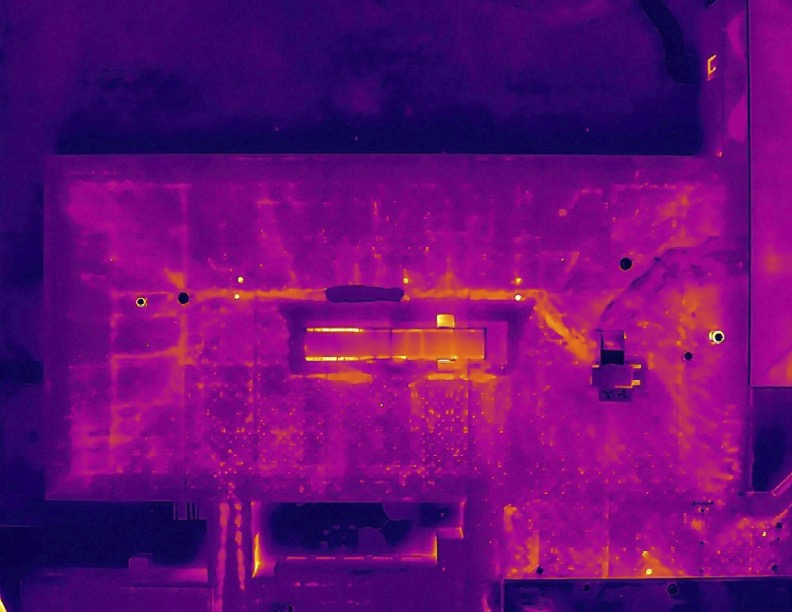
Many roof problems start below the surface—especially moisture infiltration. Thermal drone inspections allow Prairie View Roofing to identify hidden saturation, insulation damage, or leaks without cutting into the roof.
Infrared thermal imaging detects:
- Moisture under membranes
- Wet insulation from slow‑developing leaks
- Drainage patterns
- Areas of trapped heat that may indicate roof failures
These findings are often invisible during a standard visual inspection. Learn more about the technology at Thermal Drone Roof Inspections.
Documentation That Protects Your Investment
Every inspection includes photos, notes, condition reports, and repair recommendations. This documentation provides long‑term visibility into your roof’s condition and supports warranty compliance, insurance claims, and capital planning.
Businesses rely on this information to:
- Track developing issues
- Verify storm‑related damage
- Plan maintenance or restoration
- Support warranty coverage requirements
- Show condition changes from year to year
Insurance Support
When a major storm hits, having pre‑storm documentation can make or break an insurance claim. Prairie View Roofing provides condition reports and detailed inspection data that help business owners demonstrate damage clearly, reducing claim disputes and speeding up approvals.
We also assist building owners by identifying legitimate hail or wind damage that may not be visible from the ground but is clear during closer inspection.
Maintenance Planning
Inspections are the foundation of effective maintenance. By identifying minor issues early, building owners can schedule small repairs rather than wait for leaks or more serious failures.
Typical preventative repair items include:
- Sealing small punctures
- Repairing seams and flashings
- Improving drainage
- Touching up coatings
- Tightening or replacing fasteners
To simplify this, Prairie View Roofing offers structured plans through Roof Maintenance Plans
that ensure your roof is monitored and maintained on a predictable schedule.
Capital Budgeting for Businesses
Unexpected roof failures can cost thousands, disrupt operations, and create budget surprises. Regular inspections provide building owners with a clear projection of:
- How long the roof is expected to last
- What repairs are needed now (vs. later)
- Estimated timelines for restoration or replacement
- Budget planning for upcoming capital expenses
This allows decision‑makers to plan ahead and avoid emergency replacements triggered by preventable failures.
Real‑World Examples of Problems Found Before They Became Expensive
Prairie View Roofing frequently finds issues during inspections that would have turned into major failures if left unaddressed. Common examples include:
- Early membrane punctures around HVAC units that had not yet caused leaks inside the building.
- Loose fasteners on metal roofs where panels were beginning to lift—but had not yet torn away during windstorms.
- Small seams beginning to separate on older TPO roofs that could be quickly heat‑welded before water infiltration occurred.
- Wet insulation detected by thermal drone scans, allowing isolated repairs rather than a full tear‑off.
- Clogged interior drains that were days away from causing significant ponding and structural stress.
These early discoveries routinely save Nebraska businesses thousands by preventing interior damage, mold, equipment loss, or full roof replacement.
FAQ
How often should a commercial roof be inspected?
At least once a year—ideally twice. Post‑storm inspections are also recommended after significant hail or wind events.
How much money can inspections save?
Hundreds to tens of thousands, depending on how early issues are found. Preventing leaks and moisture infiltration is the biggest cost saver.
What roofs benefit most from thermal drone inspections?
Flat and low‑slope roofs with membrane systems such as TPO, EPDM, or PVC. Thermal scans are especially valuable for older roofs or roofs with suspected leaks.
Do inspections help with insurance claims?
Yes. Pre‑storm documentation and detailed post‑storm reports strengthen claims and help ensure fair coverage.
Can inspections extend the life of a commercial roof?
Absolutely. Inspections help fix small problems before they shorten the roof’s lifespan, often adding years of service life.
Commercial roof inspections are one of the smartest investments a Nebraska business can make. To protect your building and avoid costly surprises, schedule an inspection with Prairie View Roofing today. You can request service anytime at Request Service.