
TPO vs EPDM vs PVC: Which Commercial Roof Works Best in Nebraska?
Andy Tidwell
Jun 01 2026 13:45
No single commercial roofing membrane is automatically “best” for every building in Nebraska. The right choice depends on your budget, building use, drainage conditions, chemical exposure, energy...
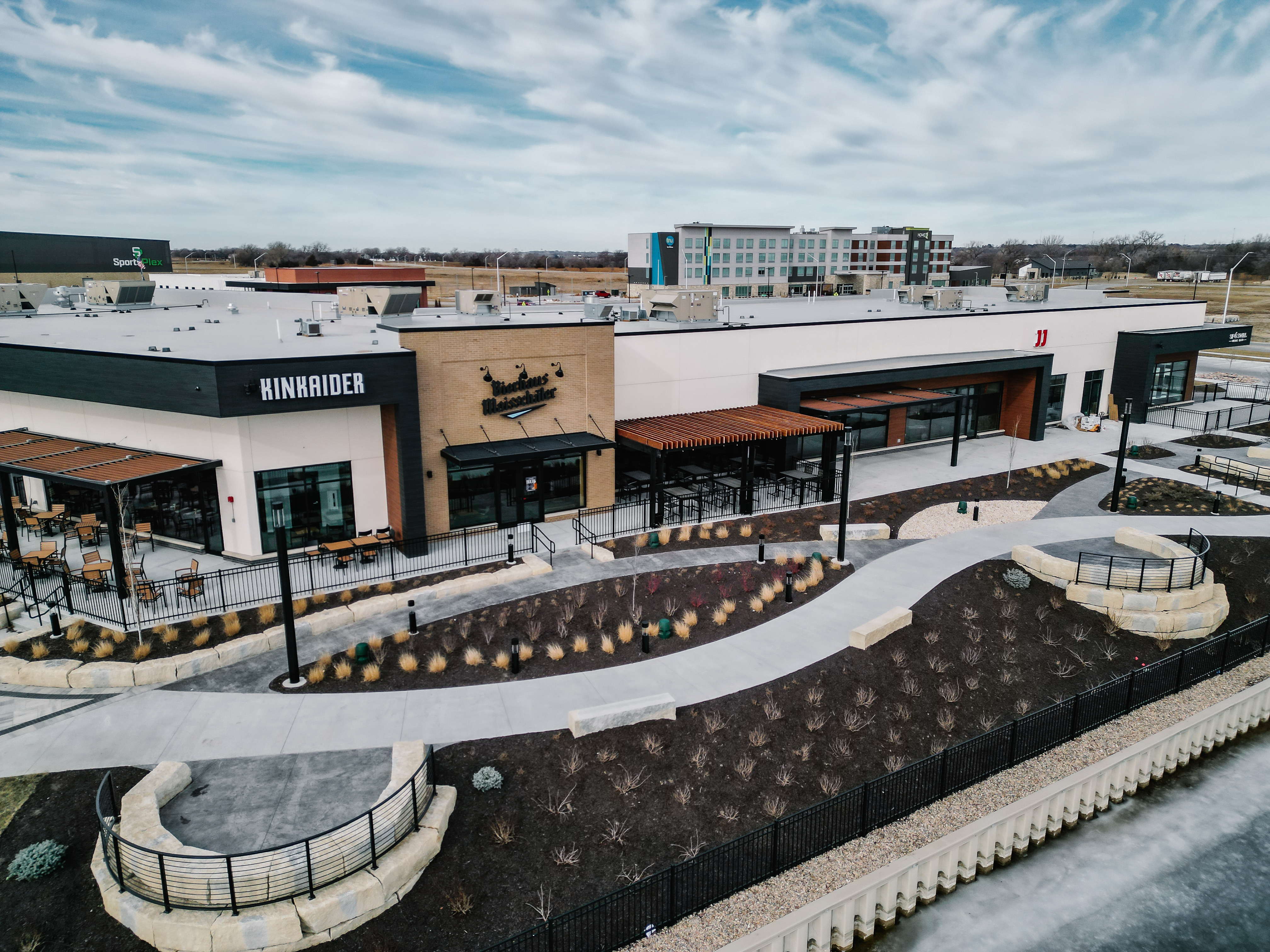
No single commercial roofing membrane is automatically “best” for every building in Nebraska. The right choice depends on your budget, building use, drainage conditions, chemical exposure, energy goals, and how long you plan to own the property. Each membrane—TPO, EPDM, and PVC—performs well when matched to the right environment, but selecting the wrong one can lead to premature failures.
Prairie View Roofing is a GAF GoldElite Commercial Contractor based in Kearney, Nebraska, serving commercial property owners throughout Central Nebraska and beyond. Below is a practical comparison to help facility managers, property managers, and building owners make informed decisions.
TPO vs EPDM vs PVC: Side‑by‑Side Comparison
The table below summarizes key differences between the three most common flat and low‑slope commercial roof membranes.
| Feature | TPO | EPDM | PVC |
|---|---|---|---|
| Typical Lifespan | 20–30 years | 20–30 years | 20–30 years |
| Energy Efficiency | Excellent (white reflective surface) | Low (black surface absorbs heat) | Excellent (white reflective surface) |
| Hail Resistance | Good, with reinforced options | Good puncture resistance | Moderate—can get brittle with age |
| Chemical Resistance | Moderate | Good | Excellent |
| Repairability | Heat-weldable seams, fairly easy | Very easy, especially for older roofs | Heat-weldable but brittle over time |
| Best Use Cases | General commercial, energy efficiency | Older buildings, complex roofs | Restaurants, industrial, chemical exposure |
TPO Roofing in Nebraska
Expected lifespan: 20–30 years
TPO is now one of the most widely installed membrane roofs across Nebraska. It’s known for bright white reflectivity, welded seams, and relatively low cost.
Pros
- Highly reflective—reduces cooling costs in Nebraska’s hot summers
- Heat-welded seams are strong and resistant to wind uplift
- Works well on most commercial buildings
- Affordable and widely available
Drawbacks
- Quality varies significantly by manufacturer
- UV exposure can age lower-quality membranes faster
- Some formulas become brittle with age
Best Applications
TPO is ideal for warehouses, retail, offices, schools, and most everyday commercial buildings. It performs best when drainage is good, and certified installers—like Prairie View Roofing—handle the welding and flashing details.
Learn more: Flat & Membrane Roofing
EPDM Roofing in Nebraska
Expected lifespan: 20–30 years
EPDM is a flexible black rubber membrane that has been used for decades. It remains popular for its durability, simplicity, and cost stability.
Pros
- Highly flexible—excellent for freeze-thaw cycles common in Nebraska
- Resists UV aging better than many membranes
- Very easy to repair over the life of the roof
- Ideal for buildings with complex penetrations
Drawbacks
- Absorbs heat, increasing cooling costs
- Adhesive seams are more vulnerable than welded seams
- Black color shows dirt and weathering more noticeably
Best Applications
EPDM works well for older commercial buildings, churches, offices, and facilities with large HVAC penetrations or long roof runs. It’s also ideal for buildings that need long-term repair flexibility.
PVC Roofing in Nebraska
Expected lifespan: 20–30 years
PVC is a heat-welded membrane known for excellent chemical resistance and strong seams. It has a long track record in industrial and food service environments.
Pros
- Exceptional chemical and grease resistance—great for restaurants
- Highly reflective white surface
- Strong welded seams
- Resists algae and rooftop contaminants
Drawbacks
- More expensive than TPO and EPDM
- Can become brittle with age
- Less flexible in freeze-thaw cycles
Best Applications
PVC is ideal for restaurants, manufacturing, food processing, medical facilities, and any building where rooftop chemical or grease exhaust may damage other membranes.
Hail Resistance of TPO vs EPDM vs PVC
Nebraska hailstorms are a major concern. All three membranes provide protection, but in different ways:
- TPO: Reinforced TPO handles hail better than non-reinforced versions.
- EPDM: Surprisingly good puncture resistance due to its rubber flexibility.
- PVC: Resists hail well when newer, but older PVC can crack under impact.
A professional evaluation helps determine which membrane works best for your building’s specific hail profile.
Energy Efficiency in Nebraska’s Climate
Nebraska sees extreme summer heat and significant winter cold. Here’s how each membrane performs:
- TPO: Very reflective, reduces cooling bills.
- PVC: Also reflective, performs similarly to TPO.
- EPDM: Absorbs heat—may increase cooling costs but can slightly reduce winter heating costs.
Maintenance Requirements
- TPO: Annual seam checks, puncture inspections, drainage review.
- EPDM: Regular flashing and adhesive seam inspections; very easy to repair.
- PVC: Annual inspections; more sensitive to aging and brittleness over time.
Installation Considerations
- TPO: Heat-welding requires trained installers.
- EPDM: Simple, flexible installation—good for complex buildings.
- PVC: Requires experienced installers; details matter for long-term performance.
Common Mistakes Building Owners Make
Choosing a membrane based only on price is one of the biggest mistakes we see. Other common issues include:
- Ignoring drainage problems: Standing water shortens the life of any membrane.
- Overlooking chemical exposure: Kitchens and industrial buildings often need PVC.
- Not considering hail patterns: Reinforced TPO or EPDM may be better in high‑hail areas.
- Skipping maintenance: Even the best membranes require proactive care.
- Hiring inexperienced installers: Weak seams, poor flashing, or bad insulation adhesion lead to early failure.
For help evaluating systems, visit Commercial Roofing.
FAQ
Which membrane lasts the longest in Nebraska?
TPO, EPDM, and PVC all average 20–30 years with proper installation and maintenance. The “best” longevity depends on drainage, weather exposure, and building type.
Is TPO better than EPDM?
Not always. TPO is more reflective, but EPDM is more flexible. The better choice depends on the building’s needs.
Which membrane is best for restaurants?
PVC is typically the best choice due to its superior grease, oil, and chemical resistance.
What if my roof has ponding water?
Ponding water affects all membranes but is especially hard on TPO and PVC. Proper tapering and drainage improvements are essential.
Can I get a commercial roof evaluation?
Yes—Prairie View Roofing offers professional evaluations to help you choose the right system. Request service anytime at Request Service.
Before selecting a membrane system, schedule a professional roof evaluation. Prairie View Roofing will walk you through your building’s needs, costs, and long‑term options to ensure your next commercial roof performs in Nebraska’s tough climate.